Six Charged in Mass Takedown of DDoS-for-Hire Sites

The U.S. Department of Justice (DOJ) today seized four-dozen domains that sold “booter” or “stresser” services — businesses that make it easy and cheap for even non-technical users to launch powerful Distributed Denial of Service (DDoS) attacks designed knock targets offline. The DOJ also charged six U.S. men with computer crimes related to their alleged ownership of the popular DDoS-for-hire services.
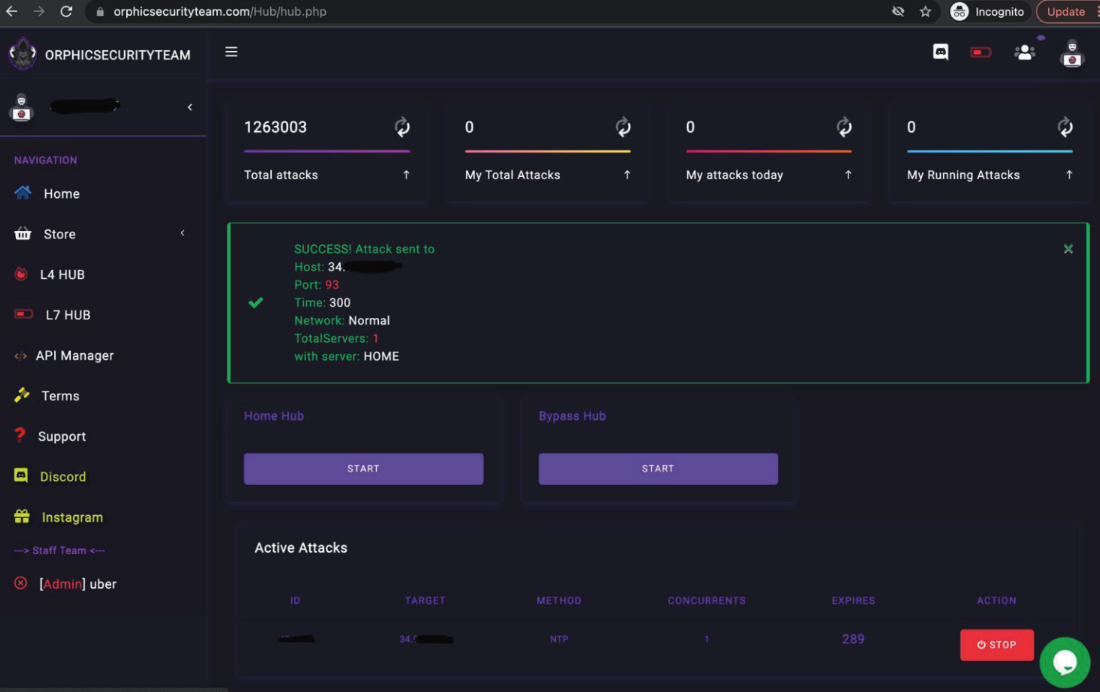
The booter service OrphicSecurityTeam[.]com was one of the 48 DDoS-for-hire domains seized by the Justice Department this week.

The DOJ said the 48 domains it seized helped paying customers launch millions of digital sieges capable of knocking Web sites and even entire network providers offline.

Booter services are advertised through a variety of methods, including Dark Web forums, chat platforms and even youtube.com. They accept payment via PayPal, Google Wallet, and/or cryptocurrencies, and subscriptions can range in price from just a few dollars to several hundred per month. The services are generally priced according to the volume of traffic to be hurled at the target, the duration of each attack, and the number of concurrent attacks allowed.

Prosecutors in Los Angeles say the booter sites supremesecurityteam[.]com and royalstresser[.]com were the brainchild of Jeremiah Sam Evans Miller, a.k.a. “John the Dev,” a 23-year-old from San Antonio, Texas. Miller was charged this week with conspiracy and violations of the Computer Fraud and Abuse Act (CFAA). The complaint against Miller alleges Royalstresser launched nearly 200,000 DDoS attacks between November 2021 and February 2022.

Defendant Angel Manuel Colon Jr., a.k.a Anonghost720 and Anonghost1337, is a 37-year-old from Belleview, Fla. Colon is suspected of running the booter service securityteam[.]io. He was also charged with conspiracy and CFAA violations. The feds say the SecurityTeam stresser service conducted 1.3 million attacks between 2018 and 2022, and attracted some 50,000 registered users.

Charged with conspiracy were Corey Anthony Palmer, 22, of Lauderhill, Fla, for his alleged ownership of booter[.]sx; and Shamar Shattock, 19, of Margate, Fla., for allegedly operating the booter service astrostress[.]com, which had more than 30,000 users and blasted out some 700,000 attacks.

Two other alleged booter site operators were charged in Alaska. John M. Dobbs, 32, of Honolulu, HI is charged with aiding and abetting violations of the CFAA related to the operation of IPStresser[.]com, which he allegedly ran for nearly 13 years until last month. During that time, IPstresser launched approximately 30 million DDoS attacks and garnered more than two million registered users.

Joshua Laing, 32, of Liverpool, NY, also was charged with CFAA infractions tied to his alleged ownership of the booter service TrueSecurityServices[.]io, which prosecutors say had 18,000 users and conducted over 1.2 million attacks between 2018 and 2022.

Purveyors of stressers and booters claim they are not responsible for how customers use their services, and that they aren’t breaking the law because — like most security tools — stresser services can be used for good or bad purposes. For example, all of the above-mentioned booter sites contained wordy “terms of use” agreements that required customers to agree they will only stress-test their own networks — and that they won’t use the service to attack others.

Dobbs, the alleged administrator of IPStresser, gave an interview to ZDNet France in 2015, in which he asserted that he was immune from liability because his clients all had to submit a digital signature attesting that they wouldn’t use the site for illegal purposes.

“Our terms of use are a legal document that protects us, among other things, from certain legal consequences,” Dobbs told ZDNet. “Most other sites are satisfied with a simple checkbox, but we ask for a digital signature in order to imply real consent from our customers.”

But the DOJ says these disclaimers usually ignore the fact that most booter services are heavily reliant on constantly scanning the Internet to commandeer misconfigured devices that are critical for maximizing the size and impact of DDoS attacks.

“None of these sites ever required the FBI to confirm that it owned, operated, or had any property right to the computer that the FBI attacked during its testing (as would be appropriate if the attacks were for a legitimate or authorized purpose),” reads an affidavit (PDF) filed by Elliott Peterson, a special agent in the FBI’s Anchorage field office.

“Additionally, analysis of data related to the FBI-initiated attacks revealed that the attacks launched by the SUBJECT DOMAINS involved the extensive misuse of third-party services,” Peterson continued. “Specifically, all of the tested services offered ‘amplification’ attacks, where the attack traffic is amplified through unwitting third-party servers in order to increase the overall attack size, and to shift the financial burden of generating and transmitting all of that data away from the booter site administrator(s) and onto third parties.”

According to U.S. federal prosecutors, the use of booter and stresser services to conduct attacks is punishable under both wire fraud laws and the Computer Fraud and Abuse Act (18 U.S.C. § 1030), and may result in arrest and prosecution, the seizure of computers or other electronics, as well as prison sentences and a penalty or fine.

The charges unsealed today stemmed from investigations launched by the FBI’s field offices in Los Angeles and Alaska, which spent months purchasing and testing attack services offered by the booter sites.

A similar investigation initiating from the FBI’s Alaska field office in 2018 culminated in a takedown and arrest operation that targeted 15 DDoS-for-hire sites, as well as three booter store defendants who later pleaded guilty.

The Justice Department says its trying to impress upon people that even buying attacks from DDoS-for-hire services can land Internet users in legal jeopardy.

“Whether a criminal launches an attack independently or pays a skilled contractor to carry one out, the FBI will work with victims and use the considerable tools at our disposal to identify the person or group responsible,” said Donald Alway, the assistant director in charge of the FBI’s Los Angeles field office.

The United Kingdom, which has been battling its fair share of domestic booter bosses, in 2020 started running online ads aimed at young people who search the Web for booter services. And in Europe, prosecutors have even gone after booter customers.

In conjunction with today’s law enforcement action, the Justice Department and the Netherlands Police also announced they are now running targeted placement ads to steer those searching for booter services toward a website detailing the potential legal risks of hiring an online attack.

“The purpose of the ads is to deter potential cyber criminals searching for DDoS services in the United States and around the globe, as well as to educate the public on the illegality of DDoS activities,” the DOJ said in a press release.

Here is the full list of booter site domains seized (or in the process of being seized) by the DOJ:

api-sky[.]xyz
astrostress[.]com
blackstresser[.]net
booter[.]sx
booter[.]vip
bootyou[.]net
brrsecurity[.]org
buuter[.]cc
cyberstress[.]us
defconpro[.]net
dragonstresser[.]com
dreams-stresser[.]io
exotic-booter[.]com
freestresser[.]so
instant-stresser[.]com
ipstress[.]org
ipstress[.]vip
ipstresser[.]com
ipstresser[.]us
ipstresser[.]wtf
ipstresser[.]xyz
kraysec[.]com
mcstorm[.]io
nightmarestresser[.]com
orphicsecurityteam[.]com
ovhstresser[.]com
quantum-stresser[.]net
redstresser[.]cc
royalstresser[.]com
securityteam[.]io
shock-stresser[.]com
silentstress[.]net
stresser[.]app
stresser[.]best
stresser[.]gg
stresser[.]is
stresser[.]net/stresser[.]org
stresser[.]one
stresser[.]shop
stresser[.]so
stresser[.]top
stresserai[.]com
sunstresser[.]com
supremesecurityteam[.]com
truesecurityservices[.]io
vdos-s[.]co
zerostresser[.]com

source https://krebsonsecurity.com/2022/12/six-charged-in-mass-takedown-of-ddos-for-hire-sites/

Microsoft Patch Tuesday, December 2022 Edition

Microsoft has released its final monthly batch of security updates for 2022, fixing more than four dozen security holes in its various Windows operating systems and related software. The most pressing patches include a zero-day in a Windows feature that tries to flag malicious files from the Web, a critical bug in PowerShell, and a dangerous flaw in Windows 11 systems that was detailed publicly prior to this week’s Patch Tuesday.

The security updates include patches for Azure, Microsoft Edge, Office, SharePoint Server, SysInternals, and the .NET framework. Six of the update bundles earned Microsoft’s most dire “critical” rating, meaning they fix vulnerabilities that malware or malcontents can use to remotely commandeer an unpatched Windows system — with little to no interaction on the part of the user.

The bug already seeing exploitation is CVE-2022-44698, which allows attackers to bypass the Windows SmartScreen security feature. The vulnerability allows attackers to craft documents that won’t get tagged with Microsoft’s “Mark of the Web,” despite being downloaded from untrusted sites.

“This means no Protected View for Microsoft Office documents, making it easier to get users to do sketchy things like execute malicious macros,
said Greg Wiseman, product manager at security firm Rapid7. This is the second Mark of the Web flaw Microsoft has patched in as many months; both were first publicly detailed over the past two months on Twitter by security researcher Will Dormann.

Publicly disclosed (but not actively exploited for now) is CVE-2022-44710, which is an elevation of privilege flaw in the DirectX graphics component of Windows 11.

Another notable critical bug is CVE-2022-41076, a remote code execution flaw in PowerShell — a key component of Windows that makes it easier to automate system tasks and configurations.

Kevin Breen at Immersive Labs said while Microsoft doesn’t share much detail about CVE-2022-41076 apart from the designation ‘Exploitation More Likely,’ they also note that successful exploitation requires an attacker to take additional actions to prepare the target environment.

“What actions are required is not clear; however, we do know that exploitation requires an authenticated user level of access,” Breen said. “This combination suggests that the exploit requires a social engineering element, and would likely be seen in initial infections using attacks like MalDocs or LNK files.”

Speaking of malicious documents, Trend Micro’s Zero Day Initiative highlights CVE-2022-44713, a spoofing vulnerability in Outlook for Mac.

“We don’t often highlight spoofing bugs, but anytime you’re dealing with a spoofing bug in an e-mail client, you should take notice,” ZDI’s Dustin Childs wrote. “This vulnerability could allow an attacker to appear as a trusted user when they should not be. Now combine this with the SmartScreen Mark of the Web bypass and it’s not hard to come up with a scenario where you receive an e-mail that appears to be from your boss with an attachment entitled “Executive_Compensation.xlsx”. There aren’t many who wouldn’t open that file in that scenario.”

Microsoft also released guidance on reports that certain software drivers certified by Microsoft’s Windows Hardware Developer Program were being used maliciously in post-exploitation activity.

Three different companies reported evidence that malicious hackers were using these signed malicious driver files to lay the groundwork for ransomware deployment inside victim organizations. One of those companies, Sophos, published a blog post Tuesday detailing how the activity was tied to the Russian ransomware group Cuba, which has extorted an estimated $60 million from victims since 2019.

Of course, not all scary and pressing security threats are Microsoft-based. Also on Tuesday, Apple released a bevy of security updates to iOS, iPadOS, macOS, tvOS and Safari, including  a patch for a newly discovered zero-day vulnerability that could lead to remote code execution.

Anyone responsible for maintaining Fortinet or Citrix remote access products probably needs to update, as both are dealing with active attacks on just-patched flaws.

For a closer look at the patches released by Microsoft today (indexed by severity and other metrics) check out the always-useful Patch Tuesday roundup from the SANS Internet Storm Center. And it’s not a bad idea to hold off updating for a few days until Microsoft works out any kinks in the updates: AskWoody.com usually has the lowdown on any patches that may be causing problems for Windows users.

As always, please consider backing up your system or at least your important documents and data before applying system updates. And if you run into any problems with these updates, please drop a note about it here in the comments.

source https://krebsonsecurity.com/2022/12/microsoft-patch-tuesday-december-2022-edition/

FBI’s Vetted Info Sharing Network ‘InfraGard’ Hacked

InfraGard, a program run by the U.S. Federal Bureau of Investigation (FBI) to build cyber and physical threat information sharing partnerships with the private sector, this week saw its database of contact information on more than 80,000 members go up for sale on an English-language cybercrime forum. Meanwhile, the hackers responsible are communicating directly with members through the InfraGard portal online — using a new account under the assumed identity of a financial industry CEO that was vetted by the FBI itself.

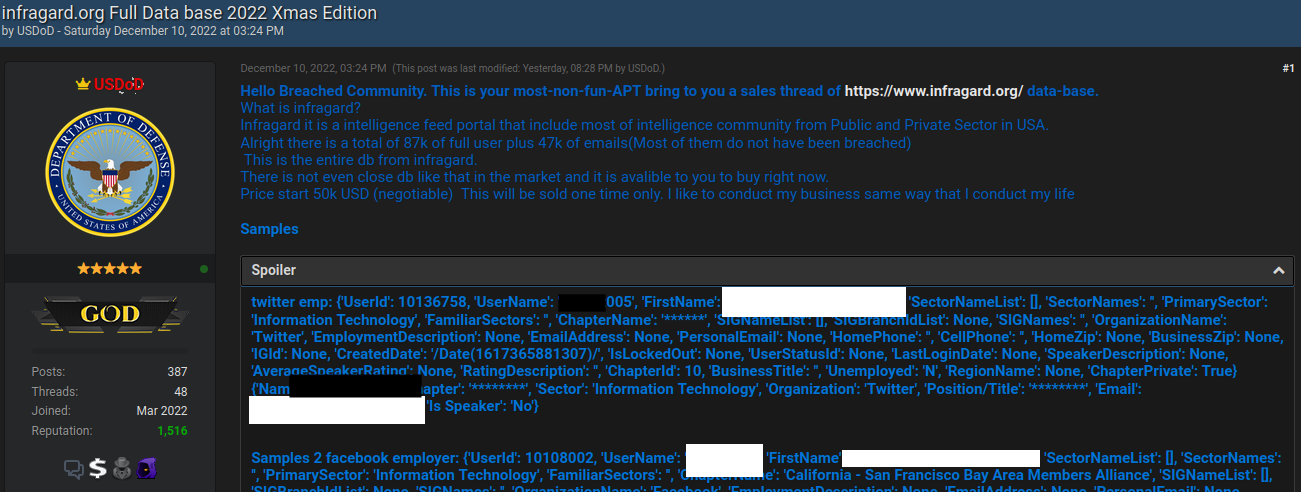
On Dec. 10, 2022, the relatively new cybercrime forum Breached featured a bombshell new sales thread: The user database for InfraGard, including names and contact information for tens of thousands of InfraGard members.

The FBI’s InfraGard program is supposed to be a vetted Who’s Who of key people in private sector roles involving both cyber and physical security at companies that manage most of the nation’s critical infrastructures — including drinking water and power utilities, communications and financial services firms, transportation and manufacturing companies, healthcare providers, and nuclear energy firms.

“InfraGard connects critical infrastructure owners, operators, and stakeholders with the FBI to provide education, networking, and information-sharing on security threats and risks,” the FBI’s InfraGard fact sheet reads.

KrebsOnSecurity contacted the seller of the InfraGard database, a Breached forum member who uses the handle “USDoD” and whose avatar is the seal of the U.S. Department of Defense.

USDoD’s InfraGard sales thread on Breached.

USDoD said they gained access to the FBI’s InfraGard system by applying for a new account using the name, Social Security Number, date of birth  and other personal details of a chief executive officer at a company that was highly likely to be granted InfraGard membership.

The CEO in question — currently the head of a major U.S. financial corporation that has a direct impact on the creditworthiness of most Americans — did not respond to requests for comment.

USDoD told KrebsOnSecurity their phony application was submitted in November in the CEO’s name, and that the application included a contact email address that they controlled — but also the CEO’s real mobile phone number.

“When you register they said that to be approved can take at least three months,” USDoD said. “I wasn’t expected to be approve[d].”

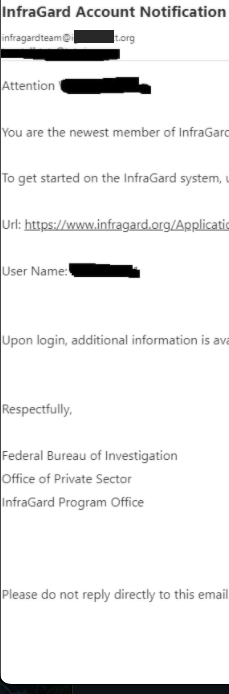
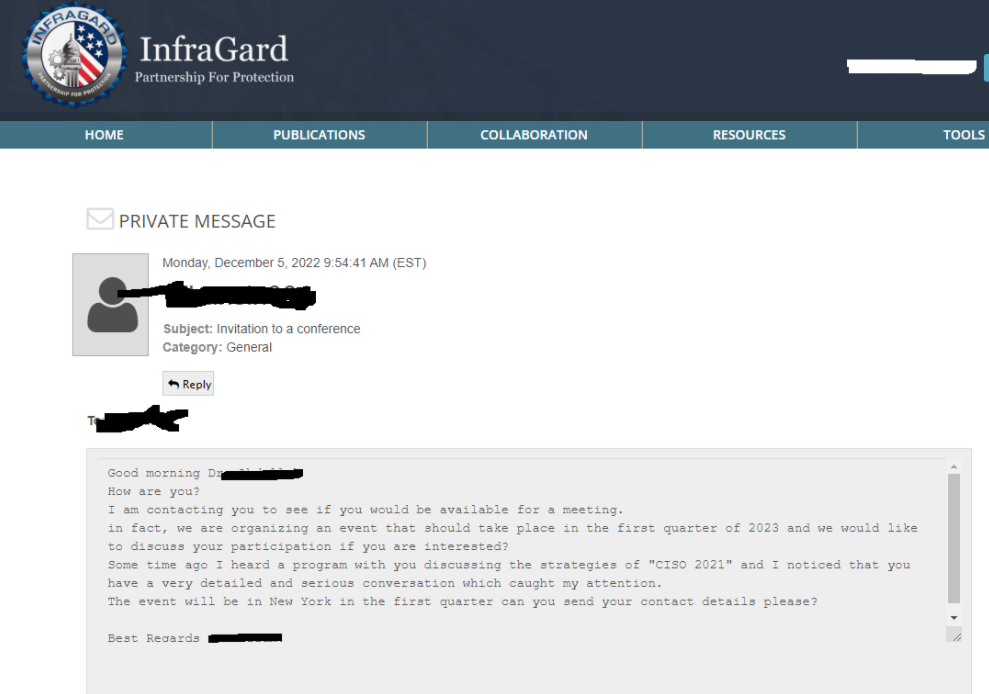
But USDoD said that in early December, their email address in the name of the CEO received a reply saying the application had been approved (see redacted screenshot to the right). While the FBI’s InfraGard system requires multi-factor authentication by default, users can choose between receiving a one-time code via SMS or email.

“If it was only the phone I will be in [a] bad situation,” USDoD said. “Because I used the person[‘s] phone that I’m impersonating.”

USDoD said the InfraGard user data was made easily available via an Application Programming Interface (API) that is built into several key components of the website that help InfraGard members connect and communicate with each other.

USDoD said after their InfraGard membership was approved, they asked a friend to code a script in Python to query that API and retrieve all available InfraGard user data.

“InfraGard is a social media intelligence hub for high profile persons,” USDoD said. “They even got [a] forum to discuss things.”

KrebsOnSecurity shared with the FBI several screenshots and other data that may help isolate the imposter InfraGard account, but the agency declined to comment for this story.

To prove they still had access to InfraGard as of publication time Tuesday evening, USDoD sent a direct note through InfraGard’s messaging system to an InfraGard member whose personal details were initially published as a teaser on the database sales thread.

That InfraGard member, who is head of security at a major U.S. technology firm, confirmed receipt of USDoD’s message but asked to remain anonymous for this story.

USDoD acknowledged that their $50,000 asking price for the InfraGard database may be a tad high, given that it is a fairly basic list of people who are already very security-conscious. Also, only about half of the user accounts contain an email address, and most of the other database fields — like Social Security Number and Date of Birth — are completely empty.

“I don’t think someone will pay that price, but I have to [price it] a bit higher to [negotiate] the price that I want,” they explained.

While the data exposed by the infiltration at InfraGard may be minimal, the user data might not have been the true end game for the intruders.

USDoD said they were hoping the imposter account would last long enough for them to finish sending direct messages as the CEO to other executives using the InfraGuard messaging portal. USDoD shared the following redacted screenshot from what they claimed was one such message, although they provided no additional context about it.

A screenshot shared by USDoD showing a message thread in the FBI’s InfraGard system.

USDoD said in their sales thread that the guarantor for the transaction would be Pompompurin, the administrator of the cybercrime forum Breached. By purchasing the database through the forum administrator’s escrow service, would-be buyers can theoretically avoid getting ripped off and ensure the transaction will be consummated to the satisfaction of both parties before money exchanges hands.

Pompompurin has been a thorn in the side of the FBI for years. Their Breached forum is widely considered to be the second incarnation of RaidForums, a remarkably similar English-language cybercrime forum shuttered by the U.S. Department of Justice in April. Prior to its infiltration by the FBI, RaidForums sold access to more than 10 billion consumer records stolen in some of the world’s largest data breaches.

In November 2021, KrebsOnSecurity detailed how Pompompurin abused a vulnerability in an FBI online portal designed to share information with state and local law enforcement authorities, and how that access was used to blast out thousands of hoax email messages — all sent from an FBI email and Internet address.

This is a developing story. Updates will be noted here with timestamps.

source https://krebsonsecurity.com/2022/12/fbis-vetted-info-sharing-network-infragard-hacked/

New Ransom Payment Schemes Target Executives, Telemedicine

Ransomware groups are constantly devising new methods for infecting victims and convincing them to pay up, but a couple of strategies tested recently seem especially devious. The first centers on targeting healthcare organizations that offer consultations over the Internet and sending them booby-trapped medical records for the “patient.” The other involves carefully editing email inboxes of public company executives to make it appear that some were involved in insider trading.

Alex Holden is founder of Hold Security, a Milwaukee-based cybersecurity firm. Holden’s team gained visibility into discussions among members of two different ransom groups: CLOP (a.k.a. “Cl0p” a.k.a. “TA505“), and a newer ransom group known as Venus.

Last month, the U.S. Department of Health and Human Services (HHS) warned that Venus ransomware attacks were targeting a number of U.S. healthcare organizations. First spotted in mid-August 2022, Venus is known for hacking into victims’ publicly-exposed Remote Desktop services to encrypt Windows devices.

Holden said the internal discussions among the Venus group members indicate this gang has no problem gaining access to victim organizations.

“The Venus group has problems getting paid,” Holden said. “They are targeting a lot of U.S. companies, but nobody wants to pay them.”

Which might explain why their latest scheme centers on trying to frame executives at public companies for insider trading charges. Venus indicated it recently had success with a method that involves carefully editing one or more email inbox files at a victim firm — to insert messages discussing plans to trade large volumes of the company’s stock based on non-public information.

“We imitate correspondence of the [CEO] with a certain insider who shares financial reports of his companies through which your victim allegedly trades in the stock market, which naturally is a criminal offense and — according to US federal laws [includes the possibility of up to] 20 years in prison,” one Venus member wrote to an underling.

“You need to create this file and inject into the machine(s) like this so that metadata would say that they were created on his computer,” they continued. “One of my clients did it, I don’t know how. In addition to pst, you need to decompose several files into different places, so that metadata says the files are native from a certain date and time rather than created yesterday on an unknown machine.”

Holden said it’s not easy to plant emails into an inbox, but it can be done with Microsoft Outlook .pst files, which the attackers may also have access to if they’d already compromised a victim network.

“It’s not going to be forensically solid, but that’s not what they care about,” he said. “It still has the potential to be a huge scandal — at least for a while — when a victim is being threatened with the publication or release of these records.”

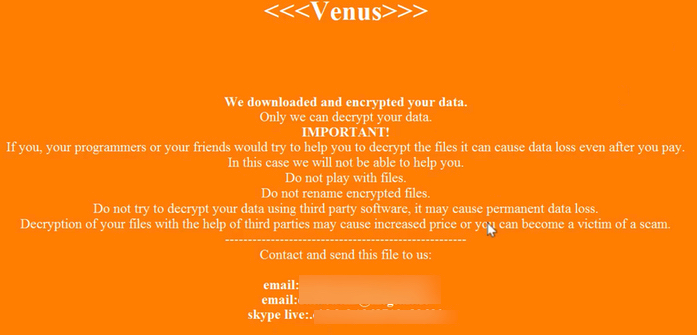
The Venus ransom group’s extortion note. Image: Tripwire.com

Holden said the CLOP ransomware gang has a different problem of late: Not enough victims. The intercepted CLOP communication seen by KrebsOnSecurity shows the group bragged about twice having success infiltrating new victims in the healthcare industry by sending them infected files disguised as ultrasound images or other medical documents for a patient seeking a remote consultation.

The CLOP members said one tried-and-true method of infecting healthcare providers involved gathering healthcare insurance and payment data to use in submitting requests for a remote consultation on a patient who has cirrhosis of the liver.

“Basically, they’re counting on doctors or nurses reviewing the patient’s chart and scans just before the appointment,” Holden said. “They initially discussed going in with cardiovascular issues, but decided cirrhosis or fibrosis of the liver would be more likely to be diagnosable remotely from existing test results and scans.”

While CLOP as a money making collective is a fairly young organization, security experts say CLOP members hail from a group of Threat Actors (TA) known as “TA505,” which MITRE’s ATT&CK database says is a financially motivated cybercrime group that has been active since at least 2014. “This group is known for frequently changing malware and driving global trends in criminal malware distribution,” MITRE assessed.

In April, 2021, KrebsOnSecurity detailed how CLOP helped pioneer another innovation aimed at pushing more victims into paying an extortion demand: Emailing the ransomware victim’s customers and partners directly and warning that their data would be leaked to the dark web unless they can convince the victim firm to pay up.

Security firm Tripwire points out that the HHS advisory on Venus says multiple threat actor groups are likely distributing the Venus ransomware. Tripwire’s tips for all organizations on avoiding ransomware attacks include:

  • Making secure offsite backups.
  • Running up-to-date security solutions and ensuring that your computers are protected with the latest security patches against vulnerabilities.
  • Using hard-to-crack unique passwords to protect sensitive data and accounts, as well as enabling multi-factor authentication.
  • Encrypting sensitive data wherever possible.
  • Continuously educating and informing staff about the risks and methods used by cybercriminals to launch attacks and steal data.

While the above tips are important and useful, one critical area of ransomware preparedness overlooked by too many organizations is the need to develop — and then periodically rehearse — a plan for how everyone in the organization should respond in the event of a ransomware or data ransom incident. Drilling this breach response plan is key because it helps expose weaknesses in those plans that could be exploited by the intruders.

As noted in last year’s story Don’t Wanna Pay Ransom Gangs? Test Your Backups, experts say the biggest reason ransomware targets and/or their insurance providers still pay when they already have reliable backups of their systems and data is that nobody at the victim organization bothered to test in advance how long this data restoration process might take.

“Suddenly the victim notices they have a couple of petabytes of data to restore over the Internet, and they realize that even with their fast connections it’s going to take three months to download all these backup files,” said Fabian Wosar, chief technology officer at Emsisoft. “A lot of IT teams never actually make even a back-of-the-napkin calculation of how long it would take them to restore from a data rate perspective.”

source https://krebsonsecurity.com/2022/12/new-ransom-payment-schemes-target-executives-telemedicine/

Judge Orders U.S. Lawyer in Russian Botnet Case to Pay Google

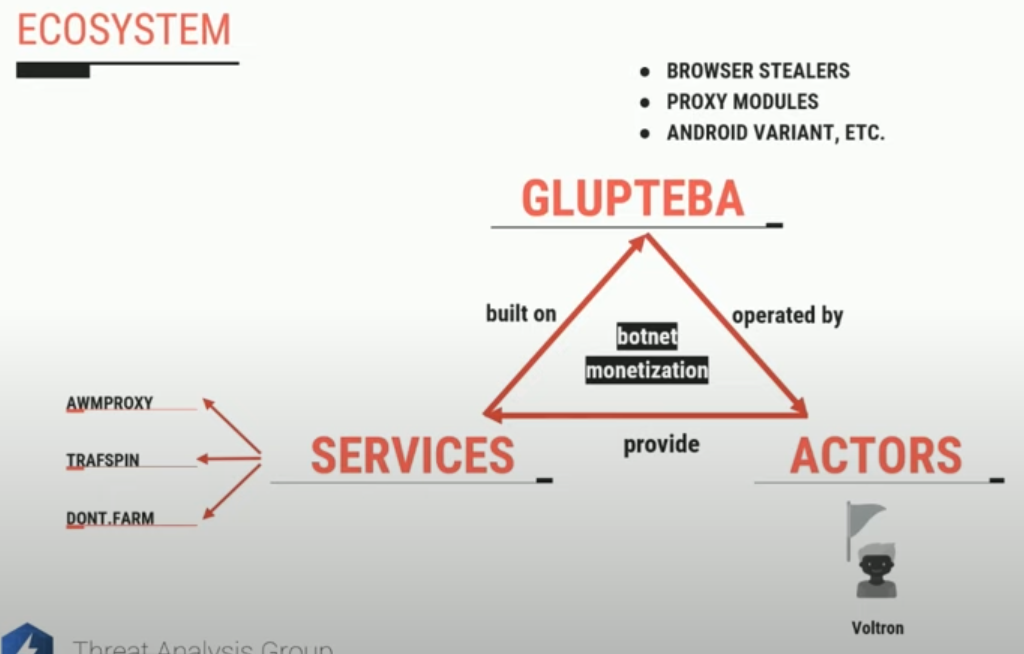
In December 2021, Google filed a civil lawsuit against two Russian men thought to be responsible for operating Glupteba, one of the Internet’s largest and oldest botnets. The defendants, who initially pursued a strategy of counter suing Google for tortious interference in their sprawling cybercrime business, later brazenly offered to dismantle the botnet in exchange for payment from Google. The judge in the case was not amused, found for the plaintiff, and ordered the defendants and their U.S. attorney to pay Google’s legal fees.

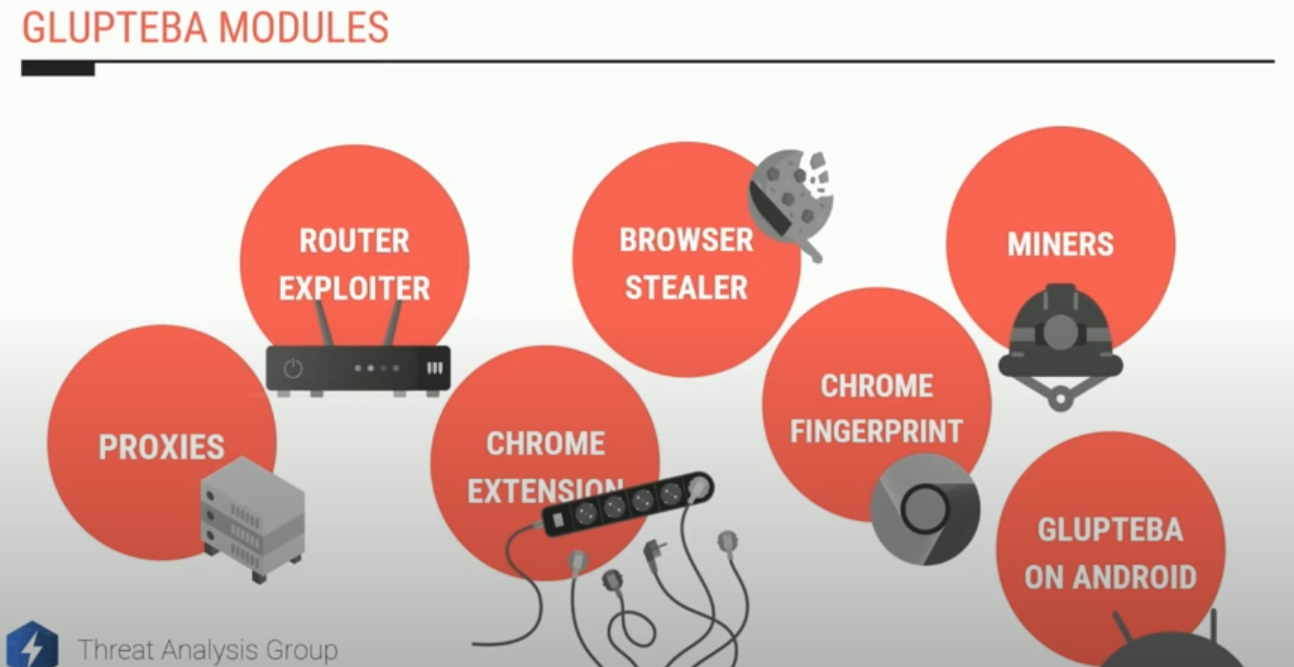
A slide from a talk given in Sept. 2022 by Google researcher Luca Nagy. https://www.youtube.com/watch?v=5Gz6_I-wl0E&t=6s

Glupteba is a rootkit that steals passwords and other access credentials, disables security software, and tries to compromise other devices on the victim network — such as Internet routers and media storage servers — for use in relaying spam or other malicious traffic.

Collectively, the tens of thousands of systems infected with Glupteba on any given day feed into a number of major cybercriminal businesses: The botnet’s proprietors sell the credential data they steal, use the botnet to place disruptive ads on the infected computers, and mine cryptocurrencies. Glupteba also rents out infected systems as “proxies,” directing third-party traffic through the infected devices to disguise the origin of the traffic.

In June 2022, KrebsOnSecurity showed how the malware proxy services RSOCKS and AWMProxy were entirely dependent on the Glupteba botnet for fresh proxies, and that the founder of AWMProxy was Dmitry Starovikov — one of the Russian men named in Google’s lawsuit.

Google sued Starovikov and 15 other “John Doe” defendants, alleging violations of the Racketeer Influenced and Corrupt Organizations Act (RICO), the Computer Fraud and Abuse Act, trademark and unfair competition law, and unjust enrichment.

In June, Google and the named defendants agreed that the case would proceed as a nonjury action because Google had withdrawn its claim for damages — seeking only injunctive relief to halt the operations of the botnet.

The defendants, who worked for a Russian firm called “Valtron” that was also named in the lawsuit, told Google that they were interested in settling. The defendants said they could potentially help Google by taking the botnet offline.

Another slide from Google researcher Luca Nagy’s September 2022 talk on Glupteba.

But the court expressed frustration that the defendants were unwilling to consent to a permanent injunction, and at the same time were unable to articulate why an injunction forbidding them from engaging in unlawful activities would pose a problem.

“The Defendants insisted that they were not engaged in criminal activity, and that any alleged activity in which they were engaged was legitimate,” U.S. District Court Judge Denise Cote wrote. “Nevertheless, the Defendants resisted entry of a permanent injunction, asserting that Google’s use of the preliminary injunction had disrupted their normal business operations.”

While the defendants represented that they had the ability to dismantle the Glupteba botnet, when it came time for discovery — the stage in a lawsuit where both parties can compel the production of documents and other information pertinent to their case — the attorney for the defendants told the court his clients had been fired by Valtron in late 2021, and thus no longer had access to their work laptops or the botnet.

The lawyer for the defendants — New York-based cybercrime defense attorney Igor Litvak — told the court he first learned about his clients’ termination from Valtron on May 20, a fact Judge Cote said she found “troubling” given statements he made to the court after that date representing that his clients still had access to the botnet.

The court ultimately suspended the discovery process against Google, saying there was reason to believe the defendants sought discovery only “to learn whether they could circumvent the steps Google has taken to block the malware.”

On September 6, Litvak emailed Google that his clients were willing to discuss settlement.

“The parties held a call on September 8, at which Litvak explained that the Defendants would be willing to provide Google with the private keys for Bitcoin addresses associated with the Glupteba botnet, and that they would promise not to engage in their alleged criminal activity in the future (without any admission of wrongdoing),” the judge wrote.

“In exchange, the Defendants would receive Google’s agreement not to report them to law enforcement, and a payment of $1 million per defendant, plus $110,000 in attorney’s fees,” Judge Cote continued. “The Defendants stated that, although they do not currently have access to the private keys, Valtron would be willing to provide them with the private keys if the case were settled. The Defendants also stated that they believe these keys would help Google shut down the Glupteba botnet.”

Google rejected the defendants’ offer as extortionate, and reported it to law enforcement. Judge Cote also found Litvak was complicit in the defendants’ efforts to mislead the court, and ordered him to join his clients in paying Google’s legal fees.

“It is now clear that the Defendants appeared in this Court not to proceed in good faith to defend against Google’s claims but with the intent to abuse the court system and discovery rules to reap a profit from Google,” Judge Cote wrote.

Litvak has filed a motion to reconsider (PDF), asking the court to vacate the sanctions against him. He said his goal is to get the case back into court.

“The judge was completely wrong to issue sanctions,” Litvak said in an interview with KrebsOnSecurity. “From the beginning of the case, she acted as if she needed to protect Google from something. If the court does not decide to vacate the sanctions, we will have to go to the Second Circuit (Court of Appeals) and get justice there.”

In a statement on the court’s decision, Google said it will have significant ramifications for online crime, and that since its technical and legal attacks on the botnet last year, Google has observed a 78 percent reduction in the number of hosts infected by Glupteba.

“While Glupteba operators have resumed activity on some non-Google platforms and IoT devices, shining a legal spotlight on the group makes it less appealing for other criminal operations to work with them,” reads a blog post from Google’s General Counsel Halimah DeLaine Prado and vice president of engineering Royal Hansen. “And the steps [Google] took last year to disrupt their operations have already had significant impact.”

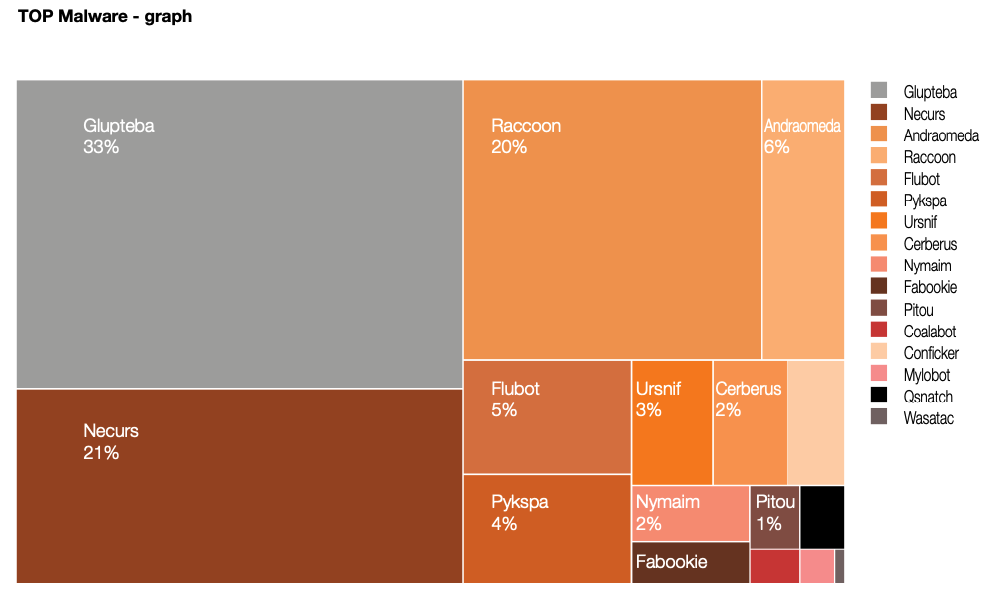
A report from the Polish computer emergency response team (CERT Orange Polksa) found Glupteba was the biggest malware threat in 2021.

source https://krebsonsecurity.com/2022/12/judge-orders-u-s-lawyer-in-russian-botnet-case-to-pay-google/

ConnectWise Quietly Patches Flaw That Helps Phishers

ConnectWise, a self-hosted, remote desktop software application that is widely used by Managed Service Providers (MSPs), is warning about an unusually sophisticated phishing attack that can let attackers take remote control over user systems when recipients click the included link. The warning comes just weeks after the company quietly patched a vulnerability that makes it easier for phishers to launch these attacks.

A phishing attack targeting MSP customers using ConnectWise.

ConnectWise’s service is extremely popular among MSPs that manage, protect and service large numbers of computers remotely for client organizations. Their product provides a dynamic software client and hosted server that connects two or more computers together, and provides temporary or persistent remote access to those client systems.

When a support technician wants to use ConnectWise to remotely administer a computer, the ConnectWise website generates an executable file that is digitally signed by ConnectWise and downloadable by the client via a hyperlink.

When the remote user in need of assistance clicks the link, their computer is then directly connected to the computer of the remote administrator, who can then control the client’s computer as if they were seated in front of it.

While modern Microsoft Windows operating systems by default will ask users whether they want to run a downloaded executable file, many systems set up for remote administration by MSPs disable that user account control feature for this particular application.

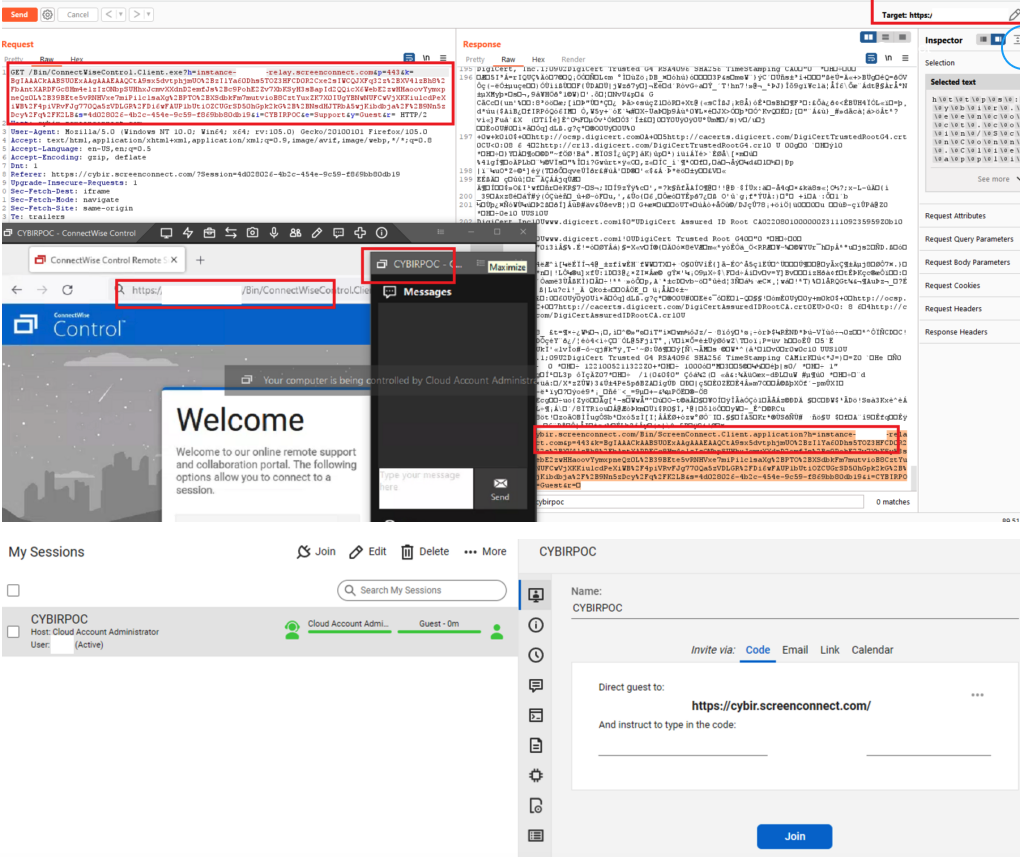
In October, security researcher Ken Pyle alerted ConnectWise that their client executable file gets generated based on client-controlled parameters. Meaning, an attacker could craft a ConnectWise client download link that would bounce or proxy the remote connection from the MSP’s servers to a server that the attacker controls.

This is dangerous because many organizations that rely on MSPs to manage their computers often set up their networks so that only remote assistance connections coming from their MSP’s networks are allowed.

Using a free ConnectWise trial account, Pyle showed the company how easy it was to create a client executable that is cryptographically signed by ConnectWise and can bypass those network restrictions by bouncing the connection through an attacker’s ConnectWise control server.

“You as the attacker have full control over the link’s parameters, and that link gets injected into an executable file that is downloaded by the client through an unauthenticated Web interface,” said Pyle, a partner and exploit developer at the security firm Cybir. “I can send this link to a victim, they will click this link, and their workstation will connect back to my instance via a link on your site.”

A composite of screenshots researcher Ken Pyle put together to illustrate the ScreenConnect vulnerability.

On Nov. 29, roughly the same time Pyle published a blog post about his findings, ConnectWise issued an advisory warning users to be on guard against a new round email phishing attempts that mimic legitimate email alerts the company sends when it detects unusual activity on a customer account.

“We are aware of a phishing campaign that mimics ConnectWise Control New Login Alert emails and has the potential to lead to unauthorized access to legitimate Control instances,” the company said.

ConnectWise said it released software updates last month that included new protections against the misdirection vulnerability that Pyle reported.  But the company said there is no reason to believe the phishers they warned about are exploiting any of the issues reported by Pyle.

“Our team quickly triaged the report and determined the risk to partners to be minimal,” ConnectWise spokesperson Tarran Street said. “Nevertheless, the mitigation was simple and presented no risk to partner experience, so we put it into the then-stable 22.8 build and the then-canary 22.9 build, which were released as part of our normal release processes. Due to the low severity of the issue, we didn’t (and don’t plan to) issue a security advisory or alert, since we reserve those notifications for serious security issues.”

Pyle said he doubts the issue he reported is unrelated to the phishing attacks ConnectWise is warning about.

“They don’t want to talk about my work (no advisory), and they recommend applying the patch they issued in response to my work,” Pyle wrote when asked to comment on ConnectWise’s response.

The ConnectWise advisory warned users that before clicking any link that appears to come from their service, users should validate the content includes “domains owned by trusted sources,” and “links to go to places you recognize.”

But Pyle said this advice is not terribly useful for customers, because in his attack scenario the phishers can send emails directly from ConnectWise, and the short link that gets presented to the user is a wildcard domain that ends in ConnectWise’s own domain name — screenconnect.com. What’s more, examining the exceedingly long link generated by ConnectWise’s systems offers few insights to the average user.

“It’s signed by ConnectWise and comes from them, and if you sign up for a free trial instance, you can email people invites directly from them,” Pyle said.

ConnectWise’s warnings come amid breach reports from another major provider of remote support technologies: GoTo disclosed on Nov. 30 that it is investigating a security incident involving “unusual activity within our development environment and third-party cloud storage services. The third-party cloud storage service is currently shared by both GoTo and its affiliate, the password manager service LastPass.

In its own advisory on the incident, LastPass said they believe the intruders leveraged information stolen during a previous intrusion in August 2022 to gain access to “certain elements of our customers’ information.”  However, LastPass maintains that its “customer passwords remain safely encrypted due to LastPass’s Zero Knowledge architecture.”

In short, that architecture means if you lose or forget your all-important master LastPass password — the one needed to unlock access to all of your other passwords stored with them — LastPass can’t help you with that, because they don’t store it. But that same architecture theoretically means that hackers who might break into LastPass’s networks can’t access that information either.

source https://krebsonsecurity.com/2022/12/connectwise-quietly-patches-flaw-that-helps-phishers/

U.S. Govt. Apps Bundled Russian Code With Ties to Mobile Malware Developer

A recent scoop by Reuters revealed that mobile apps for the U.S. Army and the Centers for Disease Control and Prevention (CDC) were integrating software that sends visitor data to a Russian company called Pushwoosh, which claims to be based in the United States. But that story omitted an important historical detail about Pushwoosh: In 2013, one of its developers admitted to authoring the Pincer Trojan, malware designed to surreptitiously intercept and forward text messages from Android mobile devices.

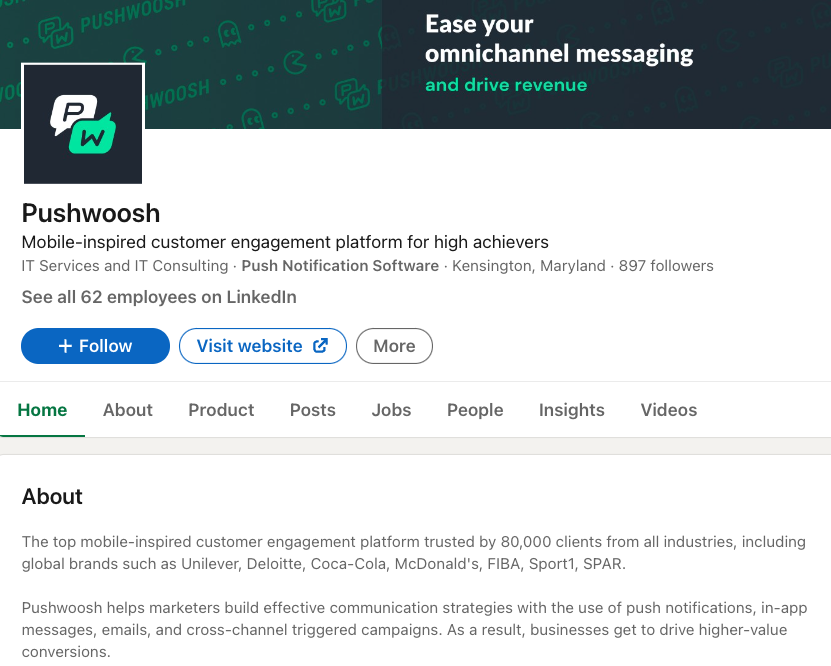
Pushwoosh says it is a U.S. based company that provides code for software developers to profile smartphone app users based on their online activity, allowing them to send tailor-made notifications. But a recent investigation by Reuters raised questions about the company’s real location and truthfulness.

The Army told Reuters it removed an app containing Pushwoosh in March, citing “security concerns.” The Army app was used by soldiers at one of the nation’s main combat training bases.

Reuters said the CDC likewise recently removed Pushwoosh code from its app over security concerns, after reporters informed the agency Pushwoosh was not based in the Washington D.C. area — as the company had represented — but was instead operated from Novosibirsk, Russia.

Pushwoosh’s software also was found in apps for “a wide array of international companies, influential nonprofits and government agencies from global consumer goods company Unilever and the Union of European Football Associations (UEFA) to the politically powerful U.S. gun lobby, the National Rifle Association (NRA), and Britain’s Labour Party.”

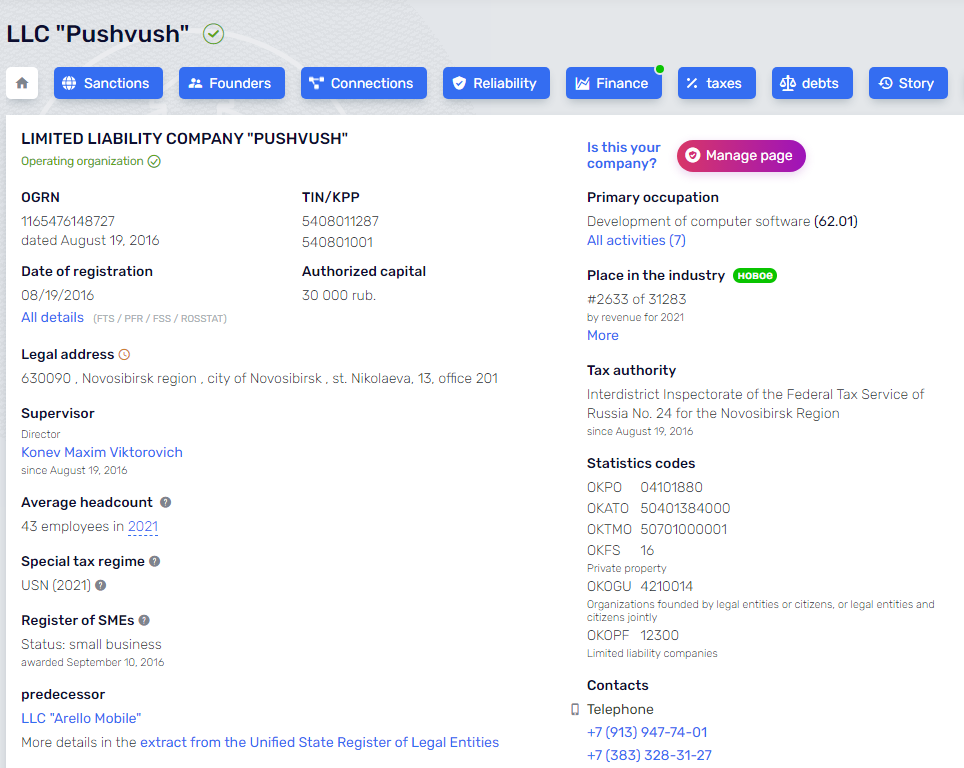
The company’s founder Max Konev told Reuters Pushwoosh “has no connection with the Russian government of any kind” and that it stores its data in the United States and Germany.

But Reuters found that while Pushwoosh’s social media and U.S. regulatory filings present it as a U.S. company based variously in California, Maryland and Washington, D.C., the company’s employees are located in Novosibirsk, Russia.

Reuters also learned that the company’s address in California does not exist, and that two LinkedIn accounts for Pushwoosh employees in Washington, D.C. were fake.

“Pushwoosh never mentioned it was Russian-based in eight annual filings in the U.S. state of Delaware, where it is registered, an omission which could violate state law,” Reuters reported.

Pushwoosh admitted the LinkedIn profiles were fake, but said they were created by a marketing firm to drum up business for the company — not misrepresent its location.

Pushwoosh told Reuters it used addresses in the Washington, D.C. area to “receive business correspondence” during the coronavirus pandemic. A review of the Pushwoosh founder’s online presence via Constella Intelligence shows his Pushwoosh email address was tied to a phone number in Washington, D.C. that was also connected to email addresses and account profiles for over a dozen other Pushwoosh employees.

Pushwoosh was incorporated in Novosibirsk, Russia in 2016.

THE PINCER TROJAN CONNECTION

The dust-up over Pushwoosh came in part from data gathered by Zach Edwards, a security researcher who until recently worked for the Internet Safety Labs, a nonprofit organization that funds research into online threats.

Edwards said Pushwoosh began as Arello-Mobile, and for several years the two co-branded — appearing side by side at various technology expos. Around 2016, he said, the two companies both started using the Pushwoosh name.

A search on Pushwoosh’s code base shows that one of the company’s longtime developers is a 41-year-old from Novosibirsk named Yuri Shmakov. In 2013, KrebsOnSecurity interviewed Shmakov for the story, “Who Wrote the Pincer Android Trojan?” wherein Shmakov acknowledged writing the malware as a freelance project.

Shmakov told me that, based on the client’s specifications, he suspected it might ultimately be put to nefarious uses. Even so, he completed the job and signed his work by including his nickname in the app’s code.

“I was working on this app for some months, and I was hoping that it would be really helpful,” Shmakov wrote. “[The] idea of this app is that you can set it up as a spam filter…block some calls and SMS remotely, from a Web service. I hoped that this will be [some kind of] blacklist, with logging about blocked [messages/calls]. But of course, I understood that client [did] not really want this.”

Shmakov did not respond to requests for comment. His LinkedIn profile says he stopped working for Arello Mobile in 2016, and that he currently is employed full-time as the Android team leader at an online betting company.

In a blog post responding to the Reuters story, Pushwoosh said it is a privately held company incorporated under the state laws of Delaware, USA, and that Pushwoosh Inc. was never owned by any company registered in the Russian Federation.

“Pushwoosh Inc. used to outsource development parts of the product to the Russian company in Novosibirsk, mentioned in the article,” the company said. “However, in February 2022, Pushwoosh Inc. terminated the contract.”

However, Edwards noted that dozens of developer subdomains on Pushwoosh’s main domain still point to JSC Avantel, an Internet provider based in Novosibirsk, Russia.

WAR GAMES

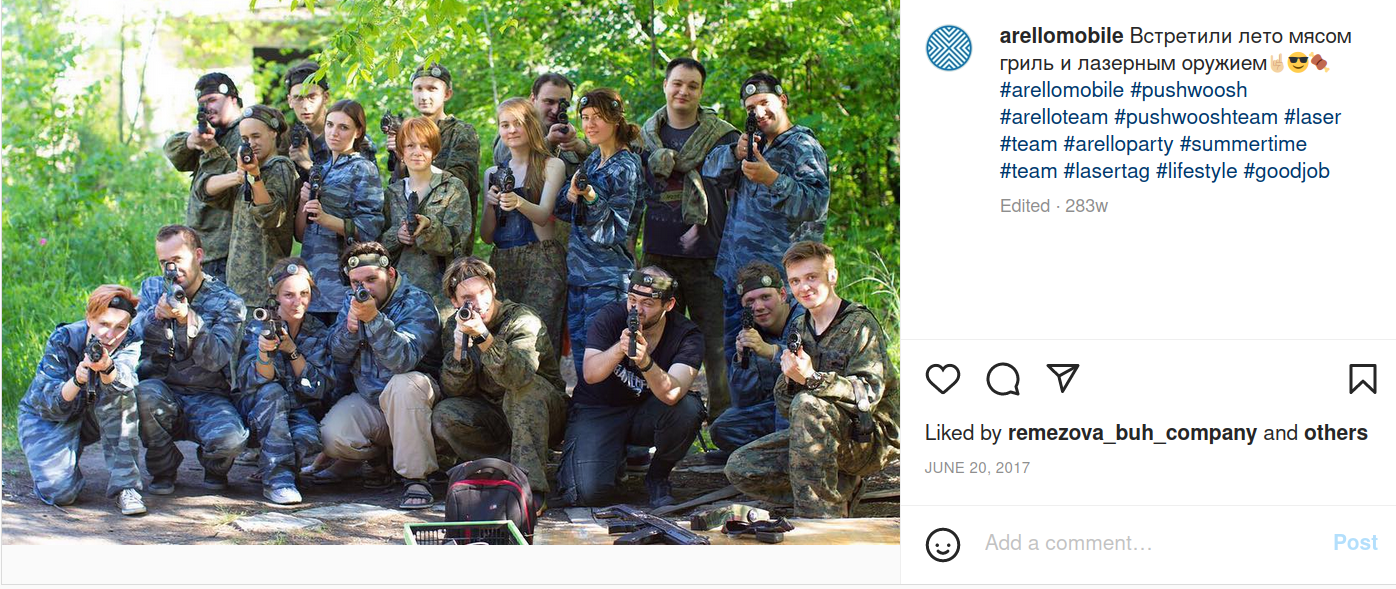
Pushwoosh employees posing at a company laser tag event.

Edwards said the U.S. Army’s app had a custom Pushwoosh configuration that did not appear on any other customer implementation.

“It had an extremely custom setup that existed nowhere else,” Edwards said. “Originally, it was an in-app Web browser, where it integrated a Pushwoosh javascript so that any time a user clicked on links, data went out to Pushwoosh and they could push back whatever they wanted through the in-app browser.”

An Army Times article published the day after the Reuters story ran said at least 1,000 people downloaded the app, which “delivered updates for troops at the National Training Center on Fort Irwin, Calif., a critical waypoint for deploying units to test their battlefield prowess before heading overseas.”

In April 2022, roughly 4,500 Army personnel converged on the National Training Center for a war games exercise on how to use lessons learned from Russia’s war against Ukraine to prepare for future fights against a major adversary such as Russia or China.

Edwards said despite Pushwoosh’s many prevarications, the company’s software doesn’t appear to have done anything untoward to its customers or users.

“Nothing they did has been seen to be malicious,” he said. “Other than completely lying about where they are, where their data is being hosted, and where they have infrastructure.”

GOV 311

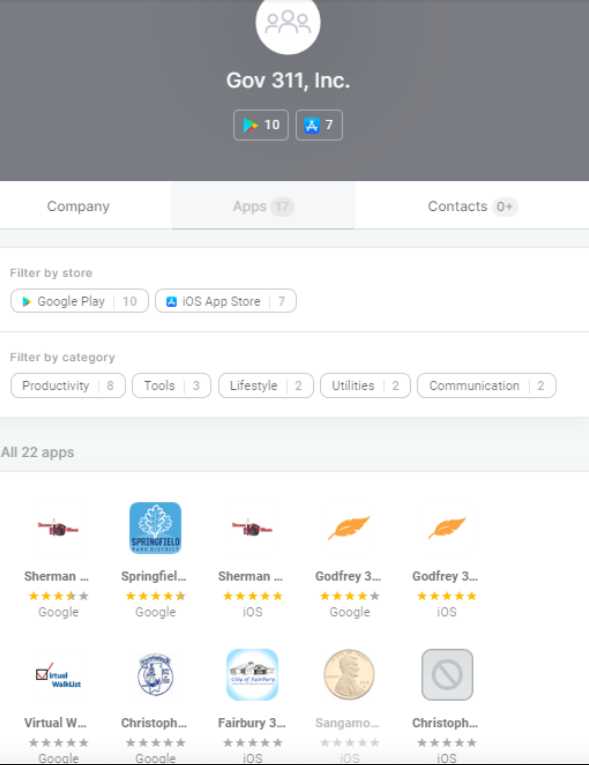
Edwards also found Pushwoosh’s technology embedded in nearly two dozen mobile apps that were sold to cities and towns across Illinois as a way to help citizens access general information about their local communities and officials.

The Illinois apps that bundled Pushwoosh’s technology were produced by a company called Government 311, which is owned by Bill McCarty, the current director of the Springfield Office of Budget and Management. A 2014 story in The State Journal-Register said Gov 311’s pricing was based on population, and that the app would cost around $2,500 per year for a city with approximately 25,000 people.

McCarty told KrebsOnSecurity that his company stopped using Pushwoosh “years ago,” and that it now relies on its own technology to provide push notifications through its 311 apps.

But Edwards found some of the 311 apps still try to phone home to Pushwoosh, such as the 311 app for Riverton, Ill.

“Riverton ceased being a client several years ago, which [is] probably why their app was never updated to change out Pushwoosh,” McCarty explained. “We are in the process of updating all client apps and a website refresh. As part of that, old unused apps like Riverton 311 will be deleted.”

FOREIGN ADTECH THREAT?

Edwards said it’s far from clear how many other state and local government apps and Web sites rely on technology that sends user data to U.S. adversaries overseas. In July, Congress introduced an amended version of the Intelligence Authorization Act for 2023, which included a new section focusing on data drawn from online ad auctions that could be used to geolocate individuals or gain other information about them.

Business Insider reports that if this section makes it into the final version — which the Senate also has to pass — the Office for the Director of National Intelligence (ODNI) will have 60 days after the Act becomes law to produce a risk assessment. The assessment will look into “the counterintelligence risks of, and the exposure of intelligence community personnel to, tracking by foreign adversaries through advertising technology data,” the Act states.

Edwards says he’s hoping those changes pass, because what he found with Pushwoosh is likely just a drop in a bucket.

“I’m hoping that Congress acts on that,” he said. “If they were to put a requirement that there’s an annual audit of risks from foreign ad tech, that would at least force people to identify and document those connections.”

source https://krebsonsecurity.com/2022/11/u-s-govt-apps-bundled-russian-code-with-ties-to-mobile-malware-developer/

Researchers Quietly Cracked Zeppelin Ransomware Keys

Peter is an IT manager for a technology manufacturer that got hit with a Russian ransomware strain called “Zeppelin” in May 2020. He’d been on the job less than six months, and because of the way his predecessor architected things, the company’s data backups also were encrypted by Zeppelin. After two weeks of stalling their extortionists, Peter’s bosses were ready to capitulate and pay the ransom demand. Then came the unlikely call from an FBI agent. “Don’t pay,” the agent said. “We’ve found someone who can crack the encryption.”

Peter, who spoke candidly about the attack on condition of anonymity, said the FBI told him to contact a cybersecurity consulting firm in New Jersey called Unit 221B, and specifically its founder — Lance James. Zeppelin sprang onto the crimeware scene in December 2019, but it wasn’t long before James discovered multiple vulnerabilities in the malware’s encryption routines that allowed him to brute-force the decryption keys in a matter of hours, using nearly 100 cloud computer servers.

In an interview with KrebsOnSecurity, James said Unit 221B was wary of advertising its ability to crack Zeppelin ransomware keys because it didn’t want to tip its hand to Zeppelin’s creators, who were likely to modify their file encryption approach if they detected it was somehow being bypassed.

This is not an idle concern. There are multiple examples of ransomware groups doing just that after security researchers crowed about finding vulnerabilities in their ransomware code.

“The minute you announce you’ve got a decryptor for some ransomware, they change up the code,” James said.

But he said the Zeppelin group appears to have stopped spreading their ransomware code gradually over the past year, possibly because Unit 221B’s referrals from the FBI let them quietly help nearly two dozen victim organizations recover without paying their extortionists.

In a blog post published today to coincide with a Black Hat Dubai talk on their discoveries, James and co-author Joel Lathrop said they were motivated to crack Zeppelin after the ransomware gang started attacking nonprofit and charity organizations.

“What motivated us the most during the leadup to our action was the targeting of homeless shelters, nonprofits and charity organizations,” the two wrote. “These senseless acts of targeting those who are unable to respond are the motivation for this research, analysis, tools, and blog post. A general Unit 221B rule of thumb around our offices is: Don’t [REDACTED] with the homeless or sick! It will simply trigger our ADHD and we will get into that hyper-focus mode that is good if you’re a good guy, but not so great if you are an ***hole.”

The researchers said their break came when they understood that while Zeppelin used three different types of encryption keys to encrypt files, they could undo the whole scheme by factoring or computing just one of them: An ephemeral RSA-512 public key that is randomly generated on each machine it infects.

“If we can recover the RSA-512 Public Key from the registry, we can crack it and get the 256-bit AES Key that encrypts the files!” they wrote. “The challenge was that they delete the [public key] once the files are fully encrypted. Memory analysis gave us about a 5-minute window after files were encrypted to retrieve this public key.”

Unit 221B ultimately built a “Live CD” version of Linux that victims could run on infected systems to extract that RSA-512 key. From there, they would load the keys into a cluster of 800 CPUs donated by hosting giant Digital Ocean that would then start cracking them. The company also used that same donated infrastructure to help victims decrypt their data using the recovered keys.

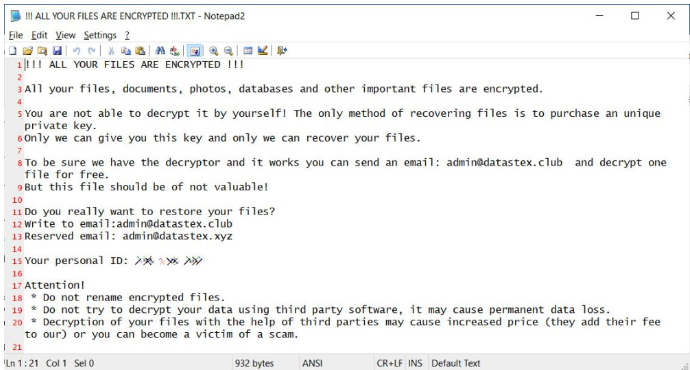
A typical Zeppelin ransomware note.

Jon is another grateful Zeppelin ransomware victim who was aided by Unit 221B’s decryption efforts. Like Peter, Jon asked that his last name and that of his employer be omitted from the story, but he’s in charge of IT for a mid-sized managed service provider that got hit with Zeppelin in July 2020.

The attackers that savaged Jon’s company managed to phish credentials and a multi-factor authentication token for some tools the company used to support customers, and in short order they’d seized control over the servers and backups for a healthcare provider customer.

Jon said his company was reluctant to pay a ransom in part because it wasn’t clear from the hackers’ demands whether the ransom amount they demanded would provide a key to unlock all systems, and that it would do so safely.

“They want you to unlock your data with their software, but you can’t trust that,” Jon said. “You want to use your own software or someone else who’s trusted to do it.”

In August 2022, the FBI and the Cybersecurity & Infrastructure Security Agency (CISA) issued a joint warning on Zeppelin, saying the FBI had “observed instances where Zeppelin actors executed their malware multiple times within a victim’s network, resulting in the creation of different IDs or file extensions, for each instance of an attack; this results in the victim needing several unique decryption keys.”

The advisory says Zeppelin has attacked “a range of businesses and critical infrastructure organizations, including defense contractors, educational institutions, manufacturers, technology companies, and especially organizations in the healthcare and medical industries. Zeppelin actors have been known to request ransom payments in Bitcoin, with initial amounts ranging from several thousand dollars to over a million dollars.”

The FBI and CISA say the Zeppelin actors gain access to victim networks by exploiting weak Remote Desktop Protocol (RDP) credentials, exploiting SonicWall firewall vulnerabilities, and phishing campaigns. Prior to deploying Zeppelin ransomware, actors spend one to two weeks mapping or enumerating the victim network to identify data enclaves, including cloud storage and network backups, the alert notes.

Jon said he felt so lucky after connecting with James and hearing about their decryption work, that he toyed with the idea of buying a lottery ticket that day.

“This just doesn’t usually happen,” Jon said. “It’s 100 percent like winning the lottery.”

By the time Jon’s company got around to decrypting their data, they were forced by regulators to prove that no patient data had been exfiltrated from their systems. All told, it took his employer two months to fully recover from the attack.

“I definitely feel like I was ill-prepared for this attack,” Jon said. “One of the things I’ve learned from this is the importance of forming your core team and having those people who know what their roles and responsibilities are ahead of time. Also, trying to vet new vendors you’ve never met before and build trust relationships with them is very difficult to do when you have customers down hard now and they’re waiting on you to help them get back up.”

A more technical writeup on Unit 221B’s discoveries (cheekily titled “0XDEAD ZEPPELIN”) is available here.

source https://krebsonsecurity.com/2022/11/researchers-quietly-cracked-zeppelin-ransomware-keys/

Disneyland Malware Team: It’s a Puny World After All

A financial cybercrime group calling itself the Disneyland Team has been making liberal use of visually confusing phishing domains that spoof popular bank brands using Punycode, an Internet standard that allows web browsers to render domain names with non-Latin alphabets like Cyrillic.

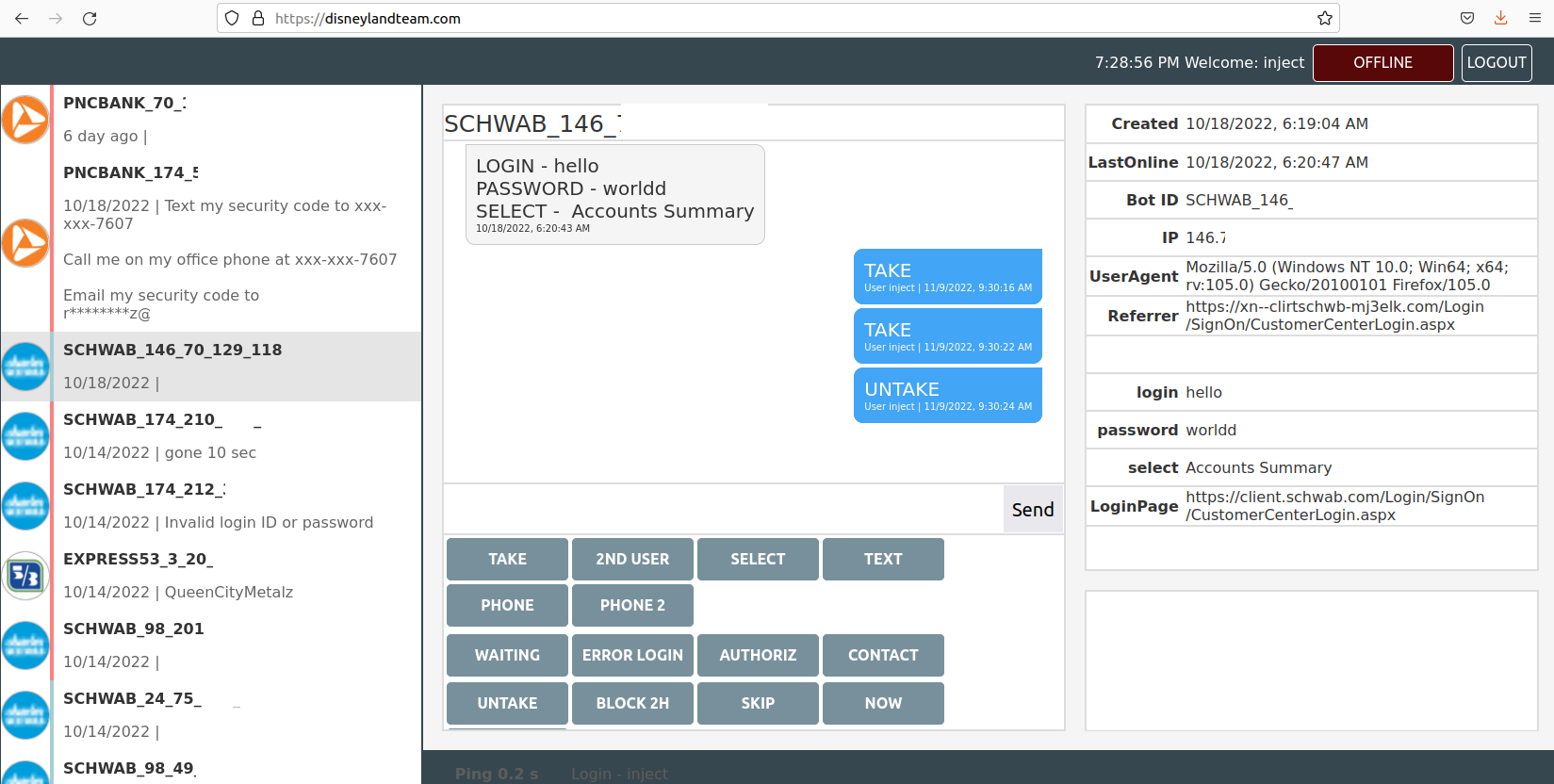
The Disneyland Team’s Web interface, which allows them to interact with malware victims in real time to phish their login credentials using phony bank websites.

The Disneyland Team uses common misspellings for top bank brands in its domains. For example, one domain the gang has used since March 2022 is ushank[.]com — which was created to phish U.S. Bank customers.

But this group also usually makes use of Punycode to make their phony bank domains look more legit. The U.S. financial services firm Ameriprise uses the domain ameriprise.com; the Disneyland Team’s domain for Ameriprise customers is https://www.xn--meripris-mx0doj%5B.%5Dcom [brackets added to defang the domain], which displays in the browser URL bar as ạmeriprisẹ[.]com.

Look carefully, and you’ll notice small dots beneath the “a” and the second “e”. You could be forgiven if you mistook one or both of those dots for a spec of dust on your computer screen or mobile device.

This candid view inside the Disneyland Team comes from Alex Holden, founder of the Milwaukee-based cybersecurity consulting firm Hold Security. Holden’s analysts gained access to a Web-based control panel the crime group has been using to keep track of victim credentials (see screenshot above). The panel reveals the gang has been operating dozens of Punycode-based phishing domains for the better part of 2022.

Have a look at the Punycode in this Disneyland Team phishing domain: https://login2.xn--mirtesnbd-276drj%5B.%5Dcom, which shows up in the browser URL bar as login2.ẹmirạtesnbd[.]com, a domain targeting users of Emirates NBD Bank in Dubai.

Here’s another domain registered this year by the Disneyland Team: https://xn--clientchwb-zxd5678f%5B.%5Dcom, which spoofs the login page of financial advisor Charles Schwab with the landing page of cliẹntșchwab[.]com. Again, notice the dots under the letters “e” and “s”.  Another Punycode domain of theirs sends would-be victims to cliẹrtschwạb[.]com, which combines a brand misspelling with Punycode.

We see the same dynamic with the Disneyland Team Punycode domain https://singlepoint.xn--bamk-pxb5435b%5B.%5Dcom, which translates to singlepoint.ụșbamk[.]com — again phishing U.S. Bank customers.

What’s going on here? Holden says the Disneyland Team is Russian-speaking — if not also based in Russia —  but it is not a phishing gang per se. Rather, this group uses the phony bank domains in conjunction with malicious software that is already secretly installed on a victim’s computer.

Holden said the Disneyland Team domains were made to help the group steal money from victims infected with a powerful strain of Microsoft Windows-based banking malware known as Gozi 2.0/Ursnif. Gozi specializes in collecting credentials, and is mainly used for attacks on client-side online banking to facilitate fraudulent bank transfers. Gozi also allows the attackers to connect to a bank’s website using the victim’s computer.

In years past, crooks like these would use custom-made “web injects” to manipulate what Gozi victims see in their Web browser when they visit their bank’s site. These web injects allowed malware to rewrite the bank’s HTML code on the fly, and copy and/or intercept any data users would enter into a web-based form, such as a username and password.

Most Web browser makers, however, have spent years adding security protections to block such nefarious activity. As a result, the Disneyland Team simply tries to make their domains look as much like the real thing as possible, and then funnel victims toward interacting with those imposter sites.

“The reason that it is infeasible for them to use in-browser injects include browser and OS protection measures, and difficulties manipulating dynamic pages for banks that require multi-factor authentication,” Holden said.

In reality, the fake bank website overlaid by the Disneyland Team’s malware relays the victim’s browser activity through to the real bank website, while allowing the attackers to forward any secondary login requests from the bank, such as secret questions or multi-factor authentication challenges.

The Disneyland Team included instructions for its users, noting that when the victim enters their login credentials, he sees a 10-second spinning wheel, and then the message, “Awaiting back office approval for your request. Please don’t close this window.”

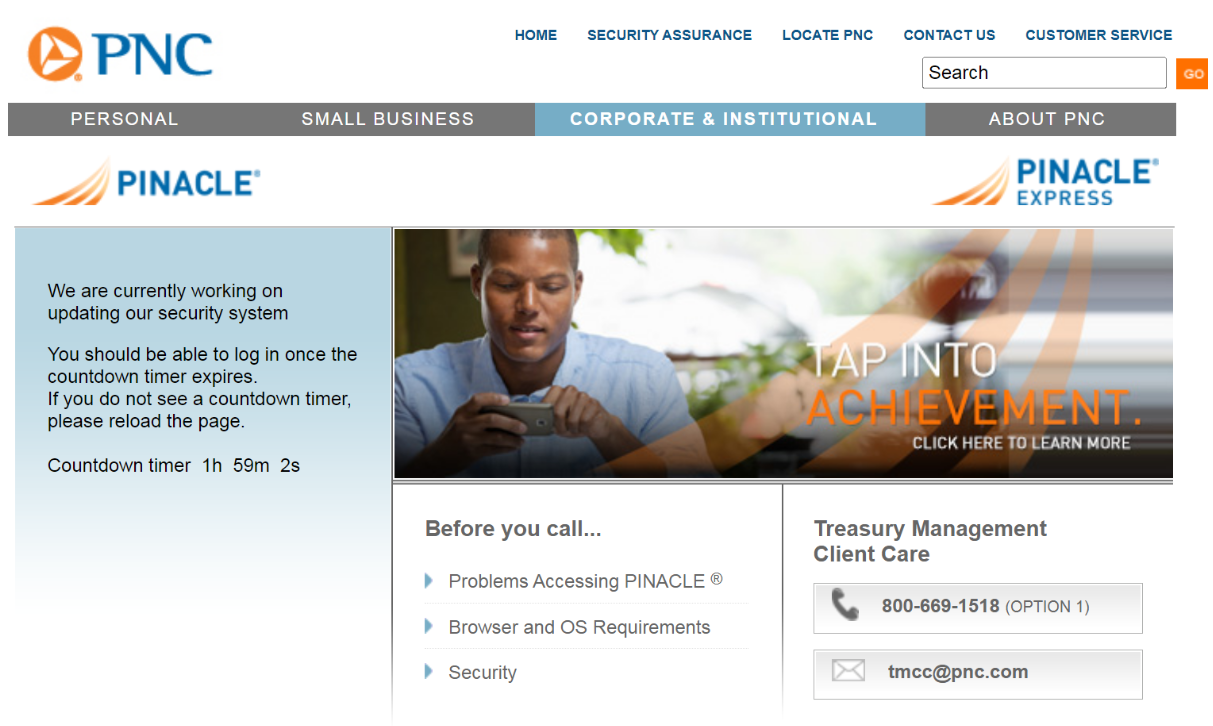
A fake PNC website overlay or “web inject” displaying a message intended to temporarily prevent the user from accessing their account.

The “SKIP” button in the screenshot above sends the user to the real bank login page, “in case the account is not interesting to us,” the manual explains. “Also, this redirect works if none of our operators are working at the time.”

The “TAKE” button in the Disneyland Team control panel allows users or affiliates to claim ownership over a specific infected machine or bot, which then excludes other users from interacting with that victim.

In the event that it somehow takes a long time to get the victim (bot) connected to the Disneyland Team control panel, or if it is necessary to delay a transaction, users can push a button that prompts the following message to appear on the victim’s screen:

“Your case ID number is 875472. An online banking support representative will get in touch shortly. Please provide your case ID number, and DO NOT close this page.”

The Disneyland user manual explains that the panel can be used to force the victim to log in again if they transmit invalid credentials. It also has other options for stalling victims whilst their accounts are drained. Another fake prompt the panel can produce shows the victim a message saying, “We are currently working on updating our security system. You should be able to log in once the countdown timer expires.”

The user manual says this option blocks the user from accessing their account for two hours. “It is possible to block for an hour with this button, in this case they get less frustrated, within the hours ddos will kill their network.”

Cybercrime groups will sometimes launch distributed denial-of-service (DDoS) attacks on the servers of the companies they’re trying to rob — which is usually intended to distract victims from their fleecing, although Holden said it’s unclear if the Disneyland Team employs this tactic as well.

For many years, KrebsOnSecurity tracked the day-to-day activities of a similar malware crew that used web injects and bots to steal tens of millions of dollars from small- to mid-sized businesses across the United States.

At the end of each story, I would close with a recommendation that anyone concerned about malware snarfing their banking information should strongly consider doing their online banking from a dedicated, security-hardened system which is only used for that purpose. Of course, the dedicated system approach works only if you always use that dedicated system for managing your account online.

Those stories also observed that since the vast majority of the malicious software used in cyberheists is designed to run only on Microsoft Windows computers, it made sense to pick a non-Windows computer for that dedicated banking system, such as a Mac or even a version of Linux. I still stand by this advice.

In case anyone is interested, here (PDF) is a list of all phishing domains currently and previously used by the Disneyland Team.

source https://krebsonsecurity.com/2022/11/disneyland-malware-team-its-a-puny-world-after-all/

Top Zeus Botnet Suspect “Tank” Arrested in Geneva

Vyacheslav “Tank” Penchukov, the accused 40-year-old Ukrainian leader of a prolific cybercriminal group that stole tens of millions of dollars from small to mid-sized businesses in the United States and Europe, has been arrested in Switzerland, according to multiple sources.

Wanted Ukrainian cybercrime suspect Vyacheslav “Tank” Penchukov (right) was arrested in Geneva, Switzerland. Tank was the day-to-day manager of a cybercriminal group that stole tens of millions of dollars from small to mid-sized businesses.

Penchukov was named in a 2014 indictment by the U.S. Department of Justice as a top figure in the JabberZeus Crew, a small but potent cybercriminal collective from Ukraine and Russia that attacked victim companies with a powerful, custom-made version of the Zeus banking trojan.

The U.S. Federal Bureau of Investigation (FBI) declined to comment for this story. But according to multiple sources, Penchukov was arrested in Geneva, Switzerland roughly three weeks ago as he was traveling to meet up with his wife there.

Penchukov is from Donetsk, a traditionally Russia-leaning region in Eastern Ukraine that was recently annexed by Russia. In his hometown, Penchukov was a well-known deejay (“DJ Slava Rich“) who enjoyed being seen riding around in his high-end BMWs and Porsches. More recently, Penchukov has been investing quite a bit in local businesses.

The JabberZeus crew’s name is derived from the malware they used, which was configured to send them a Jabber instant message each time a new victim entered a one-time password code into a phishing page mimicking their bank. The JabberZeus gang targeted mostly small to mid-sized businesses, and they were an early pioneer of so-called “man-in-the-browser” attacks, malware that can silently siphon any data that victims submit via a web-based form.

Once inside a victim company’s bank accounts, the crooks would modify the firm’s payroll to add dozens of “money mules,” people recruited through work-at-home schemes to handle bank transfers. The mules in turn would forward any stolen payroll deposits — minus their commissions — via wire transfer overseas.

Tank, a.k.a. “DJ Slava Rich,” seen here performing as a DJ in Ukraine in an undated photo from social media.

The JabberZeus malware was custom-made for the crime group by the alleged author of the Zeus trojan — Evgeniy Mikhailovich Bogachev, a top Russian cybercriminal with a $3 million bounty on his head from the FBI. Bogachev is accused of running the Gameover Zeus botnet, a massive crime machine of 500,000 to 1 million infected PCs that was used for large DDoS attacks and for spreading Cryptolocker — a peer-to-peer ransomware threat that was years ahead of its time.

Investigators knew Bogachev and JabberZeus were linked because for many years they were reading the private Jabber chats between and among members of the JabberZeus crew, and Bogachev’s monitored aliases were in semi-regular contact with the group about updates to the malware.

Gary Warner, director of research in computer forensics at the University of Alabama at Birmingham, noted in his blog from 2014 that Tank told co-conspirators in a JabberZeus chat on July 22, 2009 that his daughter, Miloslava, had been born and gave her birth weight.

“A search of Ukrainian birth records only showed one girl named Miloslava with that birth weight born on that day,” Warner wrote. This was enough to positively identify Tank as Penchukov, Warner said.

Ultimately, Penchukov’s political connections helped him evade prosecution by Ukrainian cybercrime investigators for many years. The late son of former Ukrainian President Victor Yanukovych (Victor Yanukovych Jr.) would serve as godfather to Tank’s daughter Miloslava. Through his connections to the Yanukovych family, Tank was able to establish contact with key insiders in top tiers of the Ukrainian government, including law enforcement.

Sources briefed on the investigation into Penchukov said that in 2010 — at a time when the Security Service of Ukraine (SBU) was preparing to serve search warrants on Tank and his crew — Tank received a tip that the SBU was coming to raid his home. That warning gave Tank ample time to destroy important evidence against the group, and to avoid being home when the raids happened. Those sources also said Tank used his contacts to have the investigation into his crew moved to a different unit that was headed by his corrupt SBU contact.

Writing for Technology Review, Patrick Howell O’Neil recounted how SBU agents in 2010 were trailing Tank around the city, watching closely as he moved between nightclubs and his apartment.

“In early October, the Ukrainian surveillance team said they’d lost him,” he wrote. “The Americans were unhappy, and a little surprised. But they were also resigned to what they saw as the realities of working in Ukraine. The country had a notorious corruption problem. The running joke was that it was easy to find the SBU’s anticorruption unit—just look for the parking lot full of BMWs.”

AUTHOR’S NOTE/BACKGROUND

I first encountered Tank and the JabberZeus crew roughly 14 years ago as a reporter for The Washington Post, after a trusted source confided that he’d secretly gained access to the group’s private Jabber conversations.

From reading those discussions each day, it became clear Tank was nominally in charge of the Ukrainian crew, and that he spent much of his time overseeing the activities of the money mule recruiters — which were an integral part of their victim cashout scheme.

It was soon discovered that the phony corporate websites the money mule recruiters used to manage new hires had a security weakness that allowed anyone who signed up at the portal to view messages for every other user. A scraping tool was built to harvest these money mule recruitment messages, and at the height of the JabberZeus gang’s activity in 2010 that scraper was monitoring messages on close to a dozen different money mule recruitment sites, each managing hundreds of “employees.”

Each mule was given busy work or menial tasks for a few days or weeks prior to being asked to handle money transfers. I believe this was an effort to weed out unreliable money mules. After all, those who showed up late for work tended to cost the crooks a lot of money, as the victim’s bank would usually try to reverse any transfers that hadn’t already been withdrawn by the mules.

When it came time to transfer stolen funds, the recruiters would send a message through the fake company website saying something like: “Good morning [mule name here]. Our client — XYZ Corp. — is sending you some money today. Please visit your bank now and withdraw this payment in cash, and then wire the funds in equal payments — minus your commission — to these three individuals in Eastern Europe.”

Only, in every case the company mentioned as the “client” was in fact a small business whose payroll accounts they’d already hacked into.

So, each day for several years my morning routine went as follows: Make a pot of coffee; shuffle over to the computer and view the messages Tank and his co-conspirators had sent to their money mules over the previous 12-24 hours; look up the victim company names in Google; pick up the phone to warn each that they were in the process of being robbed by the Russian Cyber Mob.

My spiel on all of these calls was more or less the same: “You probably have no idea who I am, but here’s all my contact info and what I do. Your payroll accounts have been hacked, and you’re about to lose a great deal of money. You should contact your bank immediately and have them put a hold on any pending transfers before it’s too late. Feel free to call me back afterwards if you want more information about how I know all this, but for now please just call or visit your bank.”

In many instances, my call would come in just minutes or hours before an unauthorized payroll batch was processed by the victim company’s bank, and some of those notifications prevented what otherwise would have been enormous losses — often several times the amount of the organization’s normal weekly payroll. At some point I stopped counting how many tens of thousands of dollars those calls saved victims, but over several years it was probably in the millions.

Just as often, the victim company would suspect that I was somehow involved in the robbery, and soon after alerting them I would receive a call from an FBI agent or from a police officer in the victim’s hometown. Those were always interesting conversations.

Collectively, these notifications to victims led to dozens of stories over several years about small businesses battling their financial institutions to recover their losses. I never wrote about a single victim that wasn’t okay with my calling attention to their plight and to the sophistication of the threat facing other companies.

This incessant meddling on my part very much aggravated Tank, who on more than one occasion expressed mystification as to how I knew so much about their operations and victims. Here’s a snippet from one of their Jabber chats in 2009, after I’d written a story for The Washington Post about their efforts to steal $415,000 from the coffers of Bullitt County, Kentucky. In the chat below, “lucky12345” is the Zeus author Bogachev:

tank: Are you there?
tank: This is what they damn wrote about me.
tank: https://ift.tt/chpwSEI
tank: I’ll take a quick look at history
tank: Originator: BULLITT COUNTY FISCAL Company: Bullitt County Fiscal Court
tank: Well, you got [it] from that cash-in.
lucky12345: From 200K?
tank: Well, they are not the right amounts and the cash out from that account was shitty.
tank: Levak was written there.
tank: Because now the entire USA knows about Zeus.
tank: 😀
lucky12345: It’s fucked.

On Dec. 13, 2009, one of Tank’s top money mule recruiters — a crook who used the pseudonym “Jim Rogers” — told his boss something I hadn’t shared beyond a few trusted confidants at that point: That The Washington Post had eliminated my job in the process of merging the newspaper’s Web site (where I worked at the time) with the dead tree edition.

jim_rogers: There is a rumor that our favorite (Brian) didn’t get his contract extension at Washington Post. We are giddily awaiting confirmation 🙂 Good news expected exactly by the New Year! Besides us no one reads his column 🙂
tank: Mr. Fucking Brian Fucking Kerbs!

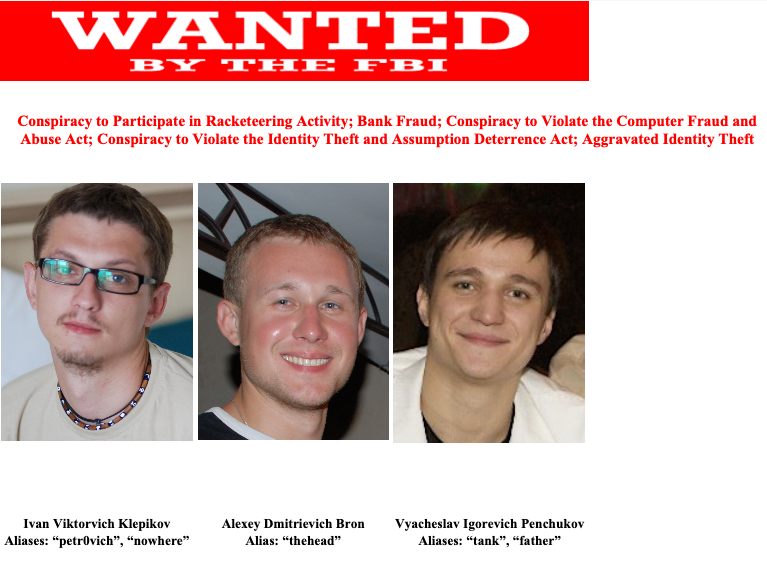
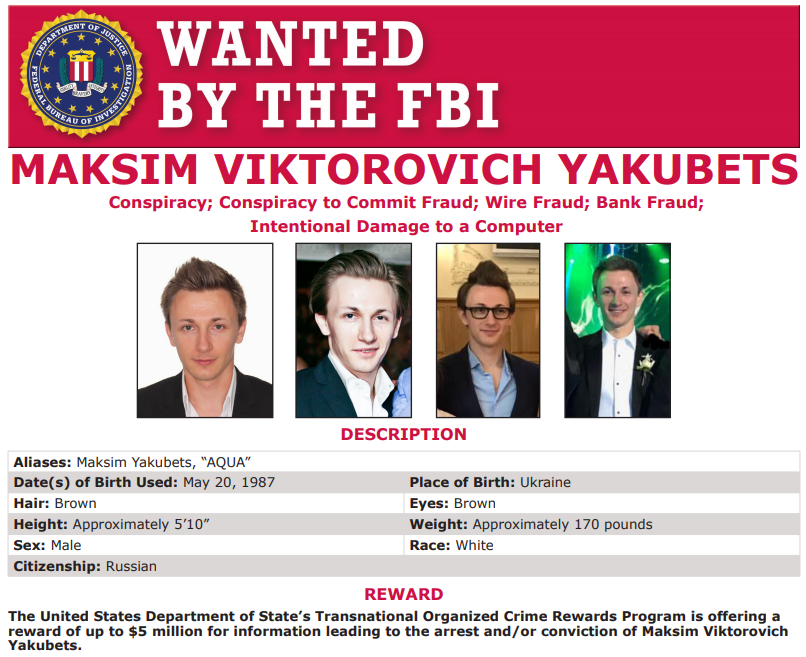
Another member of the JabberZeus crew — Ukrainian-born Maksim “Aqua” Yakubets — also is currently wanted by the FBI, which is offering a $5 million reward for information leading to his arrest and conviction.

Alleged “Evil Corp” bigwig Maksim “Aqua” Yakubets. Image: FBI

source https://krebsonsecurity.com/2022/11/top-zeus-botnet-suspect-tank-arrested-in-geneva/